
Slow Living Anchors
Why “More” Rarely Helps
When life starts to feel heavy or fast, most of us reach for something to add. Another plan. A better routine. A small upgrade that promises relief. It feels productive to reach outward, to try and build our way out of overwhelm.
But adding doesn’t always lighten the load.
Sometimes it just gives the pressure more places to sit. The calendar fills. The cart fills. The expectations multiply quietly. And underneath it all, the tiredness remains — not because you’re doing it wrong, but because accumulation rarely soothes what is already overstimulated.
There’s a cultural belief that relief lives in improvement. That if you just adjust the right variable, you’ll finally feel steadier.
But steadiness often comes from subtraction. From narrowing your focus. From noticing what is already here instead of searching for something new to fix the feeling.
You don’t need to judge yourself for wanting more. It’s a very human instinct.
It just isn’t always the thing that helps.
Small Joys Are Stabilizers, Not Treats
Small joys are often described as rewards. Little indulgences. Something you give yourself after you’ve handled everything else.
But the small things that truly help rarely feel indulgent. They feel familiar.
A mug you reach for without thinking. The same chair in the corner of the room. The quiet repetition of a motion your hands already know. These moments don’t distract you from your life — they keep you inside it.
They aren’t about escaping what’s hard. They’re about staying steady while it unfolds.
Small joys don’t require a good mood. They don’t demand celebration. They don’t hinge on productivity. They are often quiet, repeatable, and almost unremarkable from the outside.
And yet, they regulate.
They give your nervous system something predictable to return to. A texture. A temperature. A rhythm. Something that says, this is familiar, and you are safe here.
That’s not indulgence.
That’s anchoring.
Why Comfort Matters Most During Transition
Comfort becomes most visible when life is changing.
Transitions don’t always announce themselves loudly. Sometimes they arrive as subtle shifts — a new routine, a heavier mental load, a season of waiting, a quiet uncertainty about what comes next. Even good change can feel destabilizing while you’re inside it.
In those in-between spaces, predictability thins out. The rhythms you relied on begin to loosen. The future isn’t fully formed yet. And the body notices.
This is where small comforts become more than pleasant. They become grounding.
A repeated ritual in the morning. The same blanket in the evening. A familiar texture against your skin. These things do not solve the transition, but they soften the edges of it. They remind you that while circumstances may shift, some pieces of your day remain steady.
When the larger landscape feels uncertain, the smallest constants matter more.
Comfort, in these seasons, isn’t extra.
It’s stabilizing.
The Power of the Ordinary
What steadies us most is rarely dramatic.
It’s the repetition of a morning rhythm that doesn’t need to be reinvented. The way a familiar sweater feels when you pull it over your shoulders. The quiet sound that fills the room every evening at the same time. These things don’t announce themselves as meaningful. They simply repeat.
The ordinary asks very little of you. It doesn’t require energy or improvement. It doesn’t ask you to perform gratitude or transform the moment into something profound.
It just holds.
Over time, what is repeated becomes trusted. And what is trusted begins to carry weight. The ordinary turns into something you lean on without realizing you are leaning.
Not because it is special.
Because it is consistent.
Comfort as a Form of Self-Trust
Choosing what comforts you is a subtle act of self-trust.
Not what should feel soothing. Not what looks calming in someone else’s life. But what steadies you, specifically.
There’s a kind of confidence in paying attention to your own patterns. In noticing that you reach for the same cup, the same corner of the couch, the same late-evening ritual. In allowing that to be enough, without needing to upgrade it or explain it.
Comfort is deeply personal. What regulates one person might overwhelm another. What feels grounding to you might look ordinary from the outside.
And that’s the point.
When you choose what actually helps — instead of what impresses — you begin to trust your own internal cues. You stop outsourcing your sense of steadiness.
Comfort, then, isn’t indulgence.
It’s listening.
Why Small Joys Are Sustainable
Big pleasures have their place. They lift, they excite, they interrupt the ordinary in beautiful ways.
But they are not meant to carry you every day.
High highs are powerful precisely because they are rare. Novelty fades. Milestones pass. Even the most anticipated moments settle back into routine. What remains are the quiet supports woven into your daily life.
Small joys don’t spike and disappear. They repeat.
A familiar scent. The same walk. The ritual of making something warm at the end of the day. These are not dramatic, but they are dependable. They ask very little and give steadily.
Sustainable comfort isn’t loud. It doesn’t need to be. It’s the kind you return to without thinking — the kind that meets you where you are, again and again.
And over time, that repetition becomes strength.
Permission to Choose What Helps
Sometimes there’s an unspoken pressure to make comfort look a certain way.
To romanticize it perfectly. To curate it into something shareable. To choose versions of softness that feel acceptable from the outside — even when what you actually need is simpler, quieter, and a little more practical.
Comfort doesn’t have to be impressive to be real.
The things that help you most might be ordinary. They might be repetitive. They might be small enough that no one else would notice them — and still, they can change the shape of your day. What steadies you is allowed to be private. It’s allowed to be unphotogenic. It’s allowed to be yours.
You don’t owe anyone an aesthetic version of relief.
You’re allowed to choose what helps, and let that be enough.
Letting Small Things Hold You
You don’t need a new life to feel steadier inside the one you have.
Often, what makes a season livable isn’t something dramatic or transformative. It’s the small, consistent supports that meet you in ordinary hours. The familiar cup. The repeated rhythm. The moment at the end of the day when your shoulders finally drop.
Small joys don’t expand your life outward.
They deepen it.
They make space for breath in the middle of responsibility. They create continuity when everything else feels in motion. They remind you that care doesn’t always arrive loudly — sometimes it shows up as maintenance, as steadiness, as something you return to again and again.
You don’t need more.
You need what actually helps.
And sometimes, that’s already within reach.
Stay soft, stay sharp, and stay entirely your own.
Written by the author of The Cactus Rose—a quiet collector of beautiful things and curator of cozy, useful finds.
Design, branding, and site aesthetics by JunieBug Designs — the creative studio behind The Cactus Rose.
If This Resonated
If this reflection felt familiar, these pieces continue the same quiet conversation about comfort, presence, and living gently inside real life:
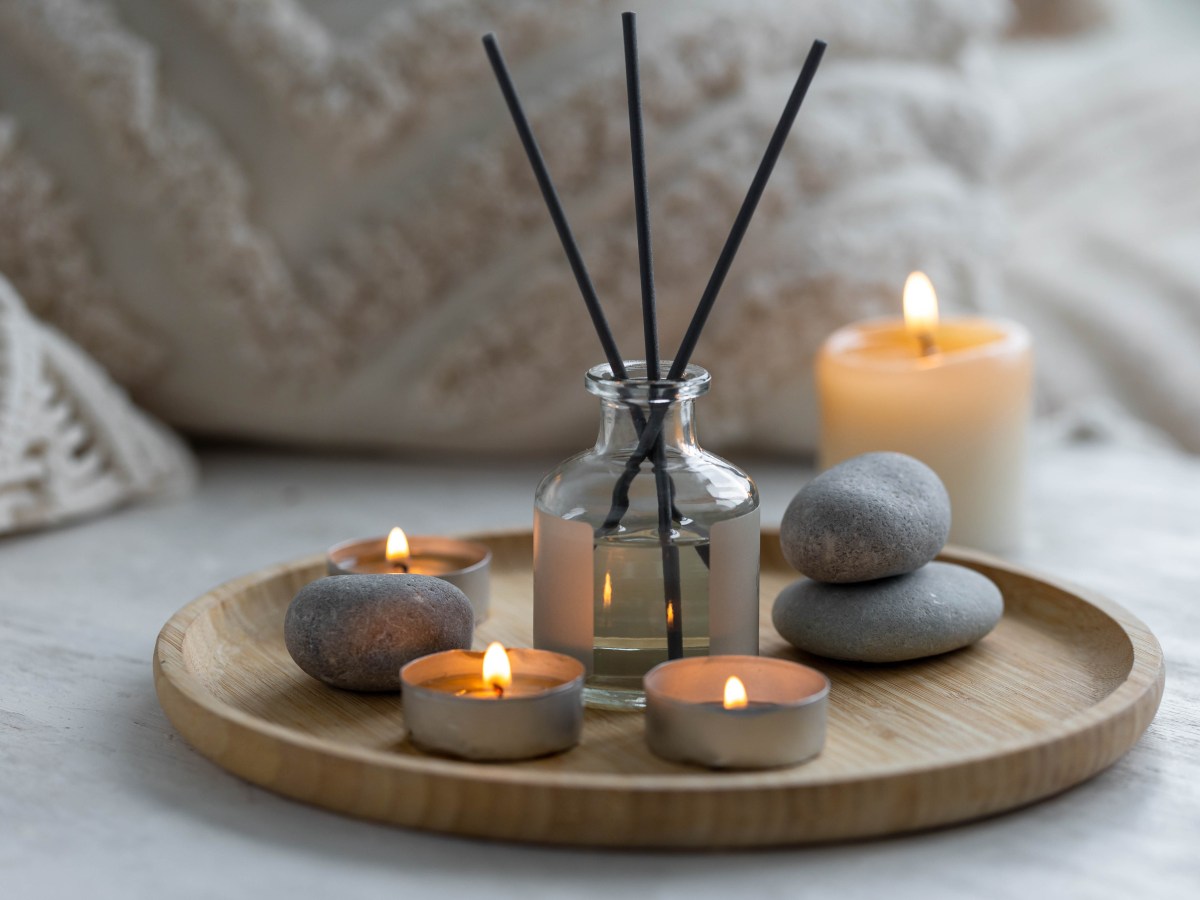
How I Romanticize Everyday Moments
Romanticizing everyday life isn’t about fantasy or escape—it’s about attention. This reflective essay explores romanticizing life as a slow living mindset rooted in presence, care, and meaning-making. A gentle reframe for noticing ordinary moments, honoring real life, and choosing depth over speed.
Keep reading
A Season of Stillness
When life speeds up, stillness becomes essential. This guide offers gentle practices that help you breathe deeper, move slower, and reconnect with what matters. From quiet rituals to mindful boundaries, these reflections bring clarity and calm to even the busiest seasons — cozy living, reclaimed at your own pace.
Keep reading
Why Cozy Isn’t Lazy
Cozy isn’t lazy—it’s infrastructure. This slow living essay reframes rest and comfort as intentional, intelligent choices that protect your nervous system, focus, and creativity over time. Learn why “rest isn’t lazy,” how cozy living supports sustainable productivity, and how choosing softness is really choosing what lasts in the life you’re building.
Keep reading
Workday to Wind-Down
Not every day ends when work does. This cozy-chic edit features versatile staples that transition from desk to dinner with ease. Think polished comfort, soft structure, and everyday wardrobe pieces that move with your schedule—professional enough for work, relaxed enough for rest.
Keep readingThere’s no right place to start — just follow what feels supportive right now.






 The Cactus Rose
Leave a comment