Slow Living Lessons for an Intentional Life
Slowing down isn’t something I used to associate with growth.
For a long time, it felt like the opposite — like stepping back, losing momentum, or risking falling behind in a world that rewards speed. There’s a quiet pressure to keep moving, to keep producing, to prove that you’re doing enough by how quickly you can do it.
But slowing down didn’t take anything away from my life.
It changed how I experienced it.
These are the slow living lessons that started to surface once the pace softened — not as rules or instructions, but as small shifts in how I understood rest, attention, and what it means to live an intentional life.
Lesson One: Rest Reveals What Actually Matters
When everything is moving quickly, it’s easy to assume that everything matters equally.
Busy days blur priorities. Tasks stack on top of each other until urgency becomes the only thing guiding your attention, and you stop questioning whether everything you’re doing actually deserves your time.
Slowing down interrupts that pattern.
When the pace softens, you start to notice what still feels important without the pressure of immediacy. Some things remain steady. Others quietly fall away.
Rest doesn’t remove purpose.
It reveals it.
Lesson Two: Productivity Isn’t the Same as Meaning
For a long time, I measured a good day by how much I could get done.
Crossed-off lists felt like proof that I was moving forward, even when I didn’t stop to ask whether any of it actually mattered. It was easy to confuse momentum with meaning, and activity with progress.
Slowing down made that distinction harder to ignore.
Without constant motion to point to, I had to look more closely at what I was giving my time to — and whether it was adding anything real to my life, or just filling space.
Doing more didn’t always make life fuller.
It just made it louder.
And once things quieted, it became easier to see what was actually worth continuing.
Lesson Three: Your Body Knows Before Your Mind Does
There were signs long before I was willing to acknowledge them.
Tension that didn’t go away, a kind of tiredness that rest didn’t seem to fix, moments of overstimulation that felt disproportionate to what was happening. I kept trying to think my way through it, assuming clarity would come if I just pushed a little longer.
But the body doesn’t wait for permission to signal when something is off.
Slowing down made those signals harder to ignore.
Without constant distraction, I started to notice what I had been overriding — the subtle cues that something needed to change, even when I couldn’t fully explain why.
Rest stopped feeling like a reaction.
It started to feel like prevention.
Lesson Four: Slower Living Builds Self-Trust
When everything moves quickly, decisions often come from pressure rather than clarity.
You choose what seems most urgent, what keeps things moving, what avoids falling behind. There isn’t always space to ask whether something actually feels right — only whether it needs to be done now.
Slowing down creates that space.
Without constant urgency, decisions begin to feel quieter and more intentional. You start to recognize what supports you, what doesn’t, and what you’ve been saying yes to out of habit rather than alignment.
Over time, that awareness builds something steady.
Not certainty in everything — but trust in yourself.
And that kind of trust doesn’t need to rush to prove it exists.
Lesson Five: Life Becomes More Visible When You’re Not Racing Through It
When everything moves quickly, moments tend to blur together.
Days pass in blocks of tasks and obligations, and it becomes easy to move from one thing to the next without fully noticing where you are or how it feels to be there.
Slowing down changes that.
When the pace softens, small details begin to stand out — light through a window, a conversation that lingers, the quiet in between tasks. Things that were always there become easier to see.
Attention stretches time.
Not in a literal way, but in how fully you experience it.
And the more present you are, the less it feels like life is passing you by.
Lesson Six: Slowing Down Doesn’t Mean Doing Less — It Means Doing Differently
At first, slowing down felt like stepping back.
Like I was doing less, moving less, somehow falling behind a version of life that expected constant momentum. It took time to realize that the pace had changed — not the depth.
Things didn’t disappear.
They became more intentional.
Work became more focused instead of scattered. Relationships felt more present instead of rushed. Even ordinary routines started to feel steadier, like they had space to exist instead of being squeezed between everything else.
Slowing down didn’t remove anything meaningful.
It refined it.
And what remained felt more like something I could actually stay inside.
Closing Reflection: A Life You Can Stay Inside
For a long time, I thought the goal was to build a life I could keep up with.
Something full, productive, always moving — a life that looked like it was working, even if it didn’t always feel that way from the inside.
Slowing down changed that.
Instead of trying to keep pace with everything around me, I started paying attention to what actually felt sustainable. What I could return to day after day without needing to escape from it.
A life built on speed often asks you to keep leaving it just to recover.
A slower life holds you differently.
It gives you space to stay.
And over time, that space starts to feel like something deeper than rest — something closer to self-respect, to steadiness, to choosing a life you don’t need to step away from in order to get through it.
Slowing down didn’t make my life smaller.
It made it wide enough to live in.
🌿 A Little Cozy in Your Inbox
If reflections like this resonate with you, you might enjoy my emails.
Subscribe for gentle reminders, slow living thoughts, and new posts from Cactus Rose.
No noise, no pressure — just space to come back to what matters.
Stay soft, stay sharp, and stay entirely your own.
Written by the author of The Cactus Rose—a quiet collector of beautiful things and curator of cozy, useful finds.
Design, branding, and site aesthetics by JunieBug Designs — the creative studio behind The Cactus Rose.
If This Resonated
If you’ve been rethinking pace, rest, and what it means to live intentionally, these reflections continue the conversation:
What Cozy Means to Me Right Now (Slow Living Reflection)
Cozy isn’t a fixed aesthetic — it changes as life changes. This slow living reflection explores how comfort evolves with different seasons of responsibility, energy, and emotional needs. A gentle reminder that cozy isn’t something you lose over time; it’s something you grow into.
Keep reading
Why Cozy Isn’t Lazy
Cozy isn’t lazy—it’s infrastructure. This slow living essay reframes rest and comfort as intentional, intelligent choices that protect your nervous system, focus, and creativity over time. Learn why “rest isn’t lazy,” how cozy living supports sustainable productivity, and how choosing softness is really choosing what lasts in the life you’re building.
Keep reading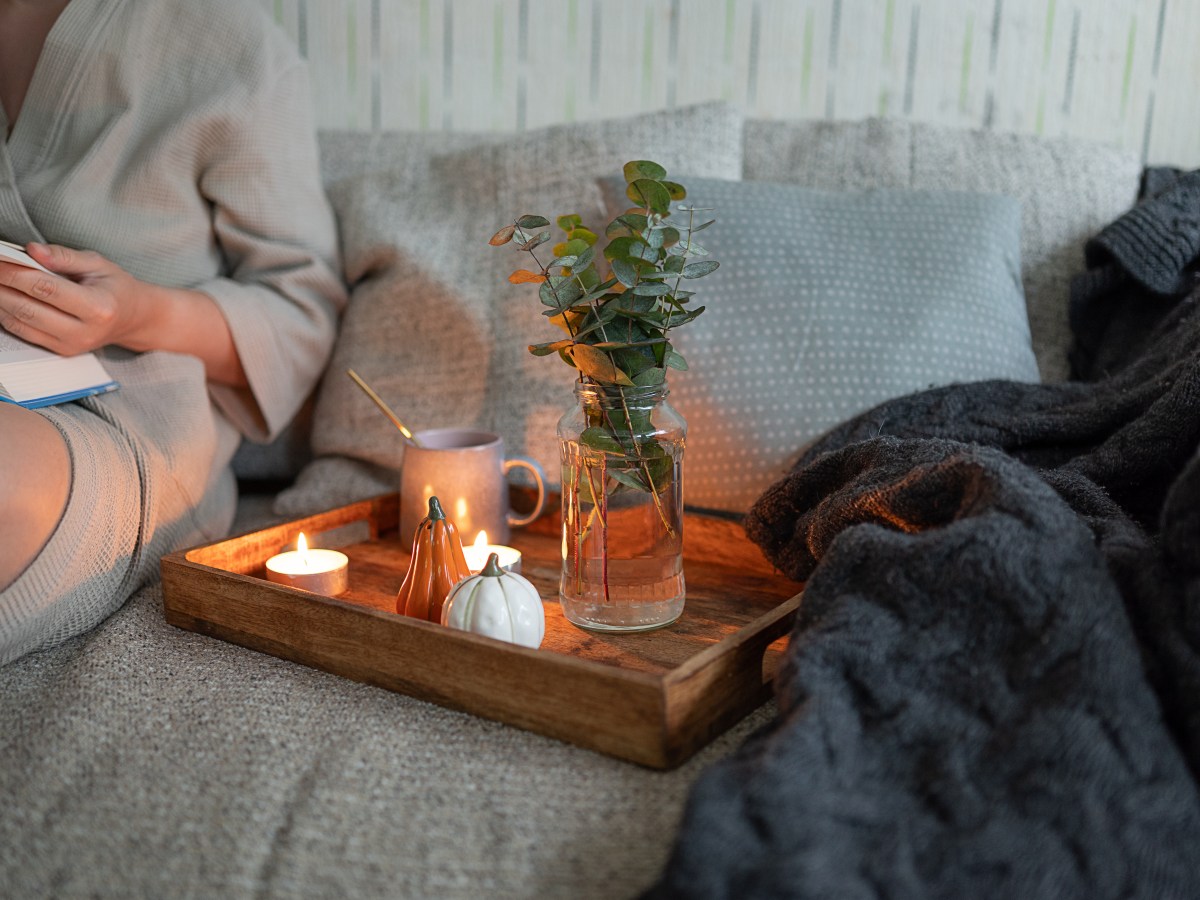
The Rhythm of Rest: Why Slow Living Matters
Rest is not the absence of motion—it’s the wisdom of rhythm. This reflection explores slow living and soft productivity, showing how mindful rest restores purpose and energy. Learn to live in sync with your seasons and your peace through cozy, intentional rhythms of renewal.
Keep reading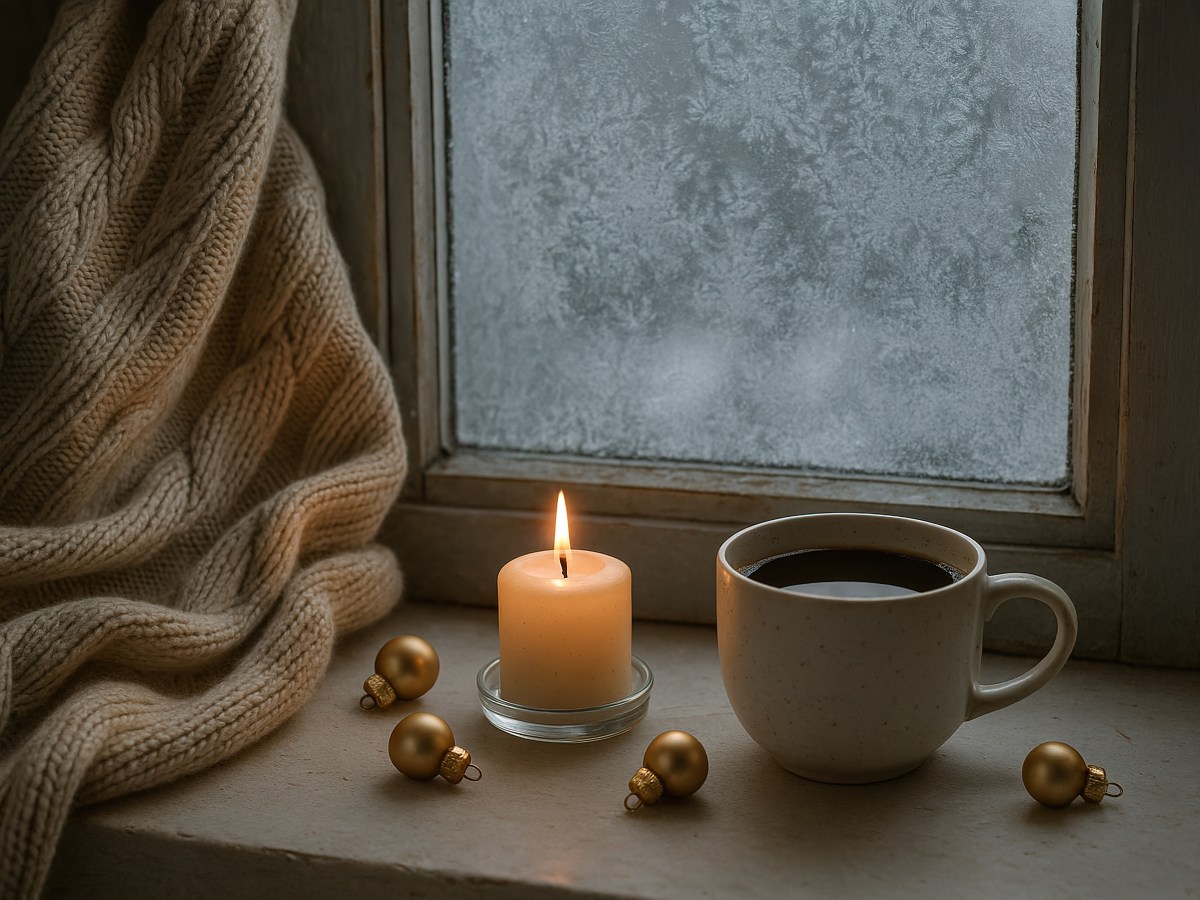
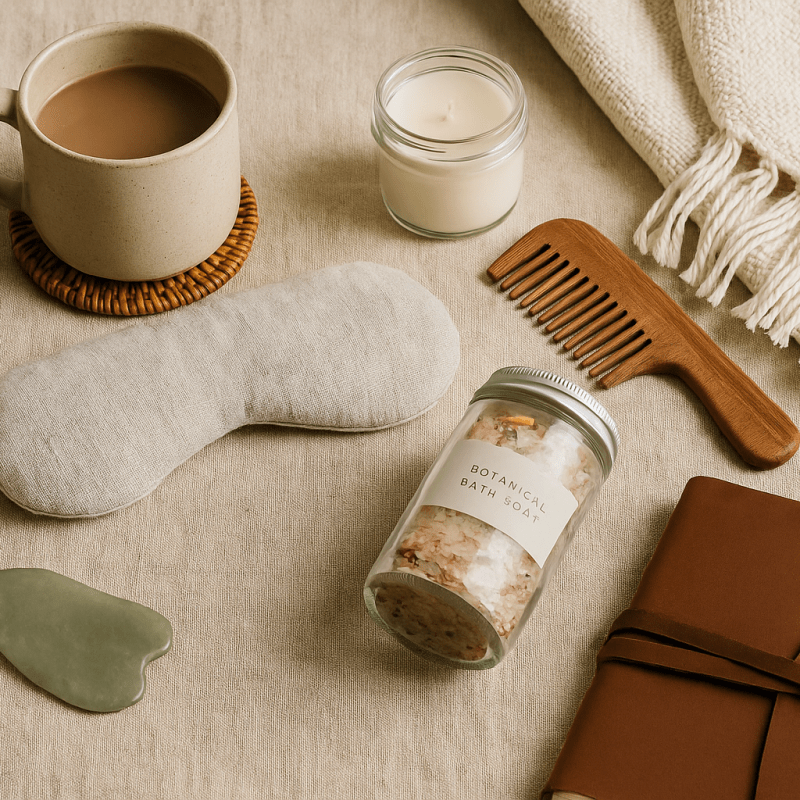
A Season of Stillness: Why Winter Slowness Matters
When life speeds up, stillness becomes essential. This guide offers gentle practices that help you breathe deeper, move slower, and reconnect with what matters. From quiet rituals to mindful boundaries, these reflections bring clarity and calm to even the busiest seasons — cozy living, reclaimed at your own pace.
Keep readingSometimes slowing down isn’t about doing less.
It’s about finally seeing what was always there.






 The Cactus Rose
Leave a comment