
A Slow Living Mindset for Burnout Culture and Intentional Living
Why does life still feel rushed even when you’re doing everything “right”?
For many people, the exhaustion isn’t coming from laziness, lack of discipline, or poor time management. It’s coming from the constant pressure to keep moving, improving, producing, and staying caught up in a pace that rarely leaves room to fully breathe. Even rest starts feeling rushed when your nervous system forgets what “off” feels like.
This reflection explores burnout culture, the slow living mindset, and the invisible urgency woven into modern life — the kind that keeps people exhausted even when they’re trying their best to do everything correctly.
Because sometimes the problem isn’t you.
It’s the pace you were taught to keep.
The Strange Exhaustion of “Keeping Up”
There’s a specific kind of exhaustion that comes from doing everything you’re supposed to do and still feeling behind.
You answer emails, finish errands, cross things off lists, keep routines going, stay responsible — and somehow the feeling of being caught up never fully arrives. Even rest can feel incomplete, like your body stopped moving but your mind never did.
The mental tabs stay open. Even during rest, part of your brain is already preparing for what comes next.
The next task is already waiting before the current moment has even finished happening.
And over time, life starts to feel slightly ahead of you, like you’re always trying to catch up to something invisible that keeps moving further away.
It’s a difficult feeling to explain because from the outside, nothing necessarily looks wrong.
But internally, everything feels rushed.
The Pace We’re Taught to Normalize
Most people were taught that rushing is a sign of responsibility.
Being busy is often treated as proof that you’re motivated, productive, and trying hard enough. Full schedules are praised. Rest is framed as something you earn afterward, if there’s time left for it at all.
Even slowness gets moralized.
Move too slowly and it can feel like laziness. Leave space in your schedule and it risks looking unproductive. The pressure isn’t always spoken directly, but it’s present in how constantly occupied people are expected to be.
Over time, urgency starts feeling normal. Not because it’s sustainable, but because it’s familiar. Calm can start feeling unfamiliar, even when you desperately need it.
And many people who feel overwhelmed aren’t failing at life — they’re trying to survive a pace that was never designed to feel livable in the first place.
Why Even “Healthy” Routines Can Feel Oppressive
Sometimes the pressure doesn’t disappear.
It just changes clothes.
What begins as an attempt to feel better can slowly become another system to manage perfectly — optimized morning routines, tracked habits, productivity-focused wellness, self-care that starts feeling more performative than supportive.
Even rest can become something to succeed at.
You’re supposed to hydrate correctly, meditate consistently, wake up earlier, stretch more, journal daily, reduce screen time, improve your sleep, optimize your mindset. And while none of those things are inherently bad, the constant pressure to “do life well” can quietly turn every habit into another evaluation.
The issue isn’t routines themselves. It’s when self-improvement stops feeling supportive and starts feeling like surveillance. When every part of your life starts feeling like something that needs to be maximized instead of experienced.
Urgency Changes How You Experience Time
When life moves too fast for too long, you stop fully inhabiting it.
Your mind stays slightly ahead of the present moment — already thinking about the next task, the next obligation, the next thing that still needs your attention. Even enjoyable moments can feel rushed because part of you is still mentally somewhere else.
Days begin to blur together. Weeks pass fully occupied, but strangely difficult to remember.
Not because nothing is happening, but because there’s no space to actually absorb what’s happening while it’s here.
Constant urgency also changes how the nervous system functions. The body learns to stay alert, reactive, and prepared for what’s next, which makes true presence harder to access even during rest.
And eventually, when everything feels urgent, nothing feels meaningful for very long before your attention is pulled somewhere else again.
Why Rest Alone Often Doesn’t Fix It
A lot of people assume they’re simply tired.
That if they could just get a weekend off, sleep more, or finally slow down for a few days, the feeling would disappear. But often the exhaustion returns quickly because the pressure underneath it never actually changed.
The body may stop moving, but the mind stays “on.” Which means even downtime can feel strangely exhausting instead of restorative.
Rest can still feel tense when guilt is attached to it. Downtime becomes filled with thoughts about what you should be doing, what’s waiting for you afterward, or whether you’ve earned the right to pause in the first place.
That’s why burnout is so often structural instead of personal.
You can’t fully recover while still believing your value depends on how efficiently you move through your life.
The Fear Beneath the Rush
Rushing is often about more than time.
Underneath the constant movement, there’s usually a quieter fear driving it forward — the fear of falling behind, disappointing people, losing momentum, or no longer feeling useful if you stop moving long enough to breathe.
For many people, slowing down doesn’t just feel unfamiliar.
It feels risky.
Because when your worth has been tied to productivity for long enough, rest can start feeling emotionally unsafe. Stillness leaves room for uncertainty, and urgency becomes a way to avoid sitting with it for too long.
Not because you’re weak.
Because you adapted to the pace you were taught to survive inside of. And survival patterns are hard to question when the world keeps rewarding them.
What Slower Living Actually Means
Slow living is often misunderstood as doing less.
But most of the time, it’s really about doing things differently. In ways your body can actually sustain long-term.
It means creating more space between tasks instead of rushing from one thing directly into the next. It means allowing routines to breathe, choosing depth over constant output, and paying attention to how your life actually feels while you’re living it.
Slower living isn’t passive.
And it isn’t an escape from responsibility.
You still work, care for people, manage obligations, and move through everyday life. The difference is that unnecessary urgency stops being treated like a requirement for being valuable.
It becomes less about maximizing every hour…
and more about building a life you can sustainably remain inside.
Small Signs Your Pace Is Changing
A slower life usually doesn’t arrive all at once.
It shows up quietly, in small moments that would have been easy to miss before.
You stop multitasking every second. You let routines take the time they actually need instead of rushing through them. You notice yourself reacting less quickly, breathing more deeply, or sitting in ordinary moments without immediately reaching for distraction.
Even enjoyment starts feeling different.
Coffee tastes more noticeable. You stop feeling like your life is something you’re constantly late for. Conversations feel less rushed. Evenings stop feeling like something to “get through” before tomorrow begins again.
And slowly, productivity stops being the only thing that makes a day feel worthwhile.
You begin measuring life differently — not by how much you managed to fit into it, but by whether you were actually present while it was happening.
✨ Make This Reflection Your Own
You don’t have to completely change your life overnight for this to matter.
Sometimes slower living begins in very small ways — leaving space between tasks, resisting the urge to multitask, allowing rest to exist without needing to justify it, or noticing when your body is asking for a different pace than your mind has been taught to keep.
The goal isn’t perfection. It’s noticing what pace actually feels livable for you.
It’s awareness.
Because once you start recognizing how much urgency has been normalized, it becomes easier to question whether all of it actually belongs in your life.
And often, that’s where a different rhythm begins.
🌙 Closing Thoughts
A constantly rushed life can make even good things feel difficult to fully experience.
Not because you’re ungrateful.
Not because you’re failing.
But because urgency changes how deeply you’re able to inhabit your own life while it’s happening.
You were never meant to optimize every hour of your existence.
You were meant to live inside it.
To feel moments as they happen.
To rest without guilt.
To move at a pace your nervous system can actually sustain.
And maybe the problem was never that you weren’t doing enough.
Maybe it was that you were taught to believe enough could only exist at full speed.
Slower living isn’t about escaping your life.
It’s about finally being present enough to experience it.
🌿 A Little Calm in Your Inbox
If you’re building a slower, more intentional life — or simply trying to breathe a little easier inside the one you already have — you might enjoy my emails.
Subscribe for slow living reflections, cozy routines, and thoughtful reminders that life doesn’t have to be lived at full speed to matter.
✨ Gentle, grounding, and designed for real life.
Stay soft, stay sharp, and stay entirely your own.
Written by the author of The Cactus Rose—a quiet collector of beautiful things and curator of cozy, useful finds.
Design, branding, and site aesthetics by JunieBug Designs — the creative studio behind The Cactus Rose.
🔗 If This Resonated
If you’re questioning the pace modern life expects you to keep, these reflections continue the conversation:
Why Cozy Isn’t Lazy
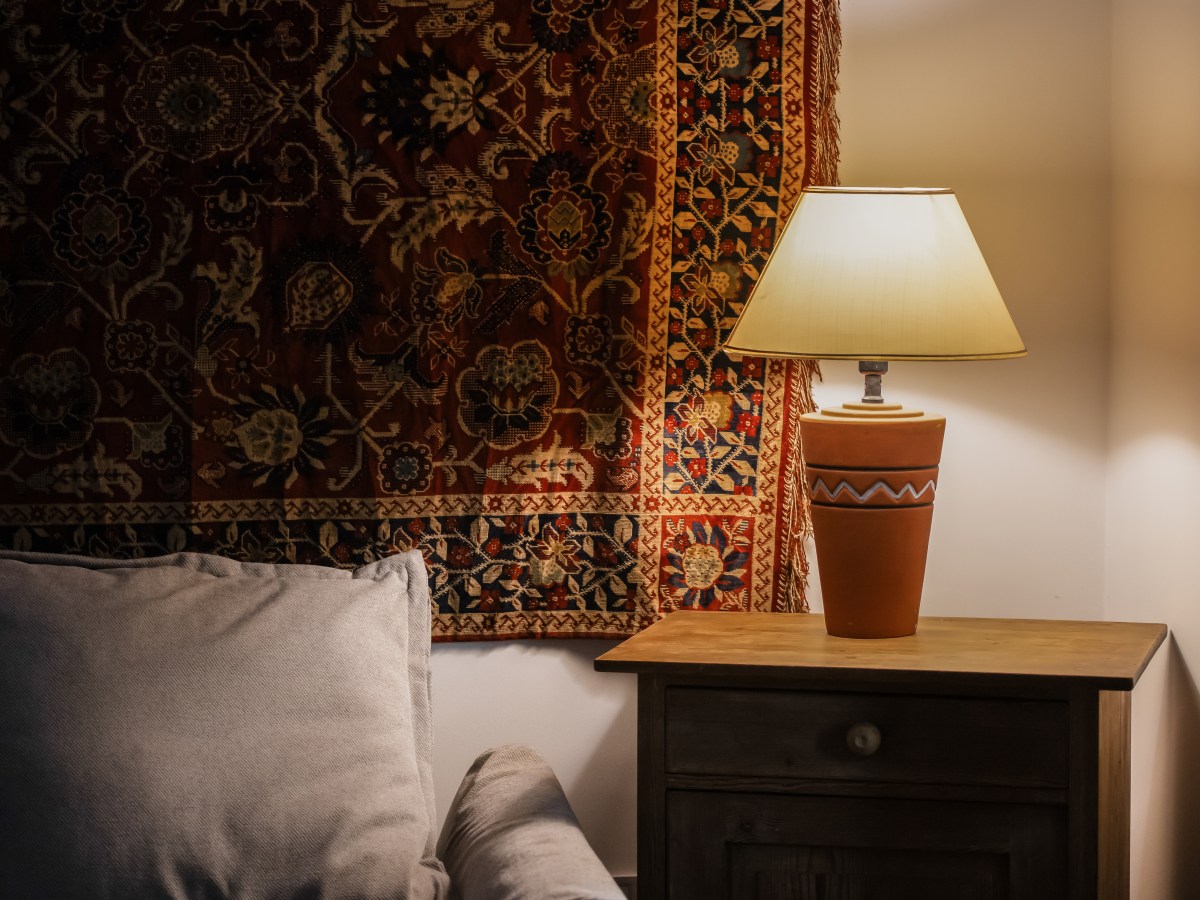
Cozy isn’t lazy—it’s infrastructure. This slow living essay reframes rest and comfort as intentional, intelligent choices that protect your nervous system, focus, and creativity over time. Learn why “rest isn’t lazy,” how cozy living supports sustainable productivity, and how choosing softness is really choosing what lasts in the life you’re building.
Keep reading
Slow Living Lessons | What I’ve Learned From Slowing Down
Slowing down isn’t falling behind. This slow living reflection explores the lessons that come from rest, attention, and choosing a more intentional pace in everyday life.
Keep reading
What Gentle Living Means—and How to Build a More Intentional, Sustainable Life
Gentle living isn’t weakness — it’s a quiet, intentional way of moving through life. This reflection explores the slow life mindset, self-trust, and steady pacing that create a more sustainable, meaningful lifestyle rooted in care, clarity, and the confidence to move at your own pace without pressure.
Keep reading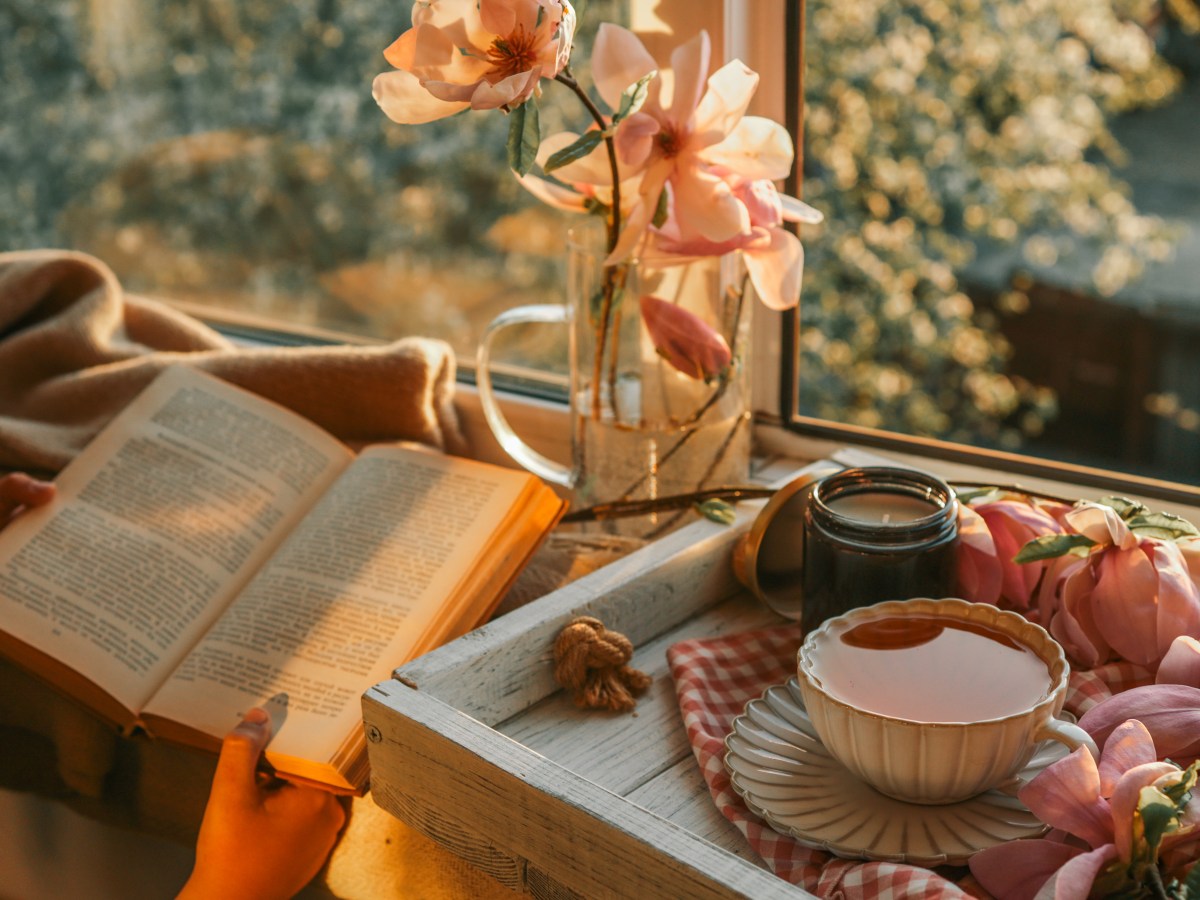
What Cozy Means to Me Right Now (Slow Living Reflection)
Cozy isn’t a fixed aesthetic — it changes as life changes. This slow living reflection explores how comfort evolves with different seasons of responsibility, energy, and emotional needs. A gentle reminder that cozy isn’t something you lose over time; it’s something you grow into.
Keep readingYou do not exist to optimize every hour of your existence.
And your worth was never supposed to depend on how quickly you move through your life.









Leave a Reply