Functional Home Design That Works With Your Habits, Not Against Them
We Usually Judge the Home, Not the Experience of Living in It
We have a pretty clear picture of what a “good” home is supposed to look like.
The counters are clear. Shoes aren’t piled by the door. Mail doesn’t accumulate on the kitchen counter. Bags are put away. Everything has a designated place, and preferably most of it is tucked neatly out of sight.
There’s nothing inherently wrong with any of that. I like a beautiful, organized home as much as anyone.
But I think we spend considerably more time asking how a home looks than how it feels to actually live in it.
How many extra steps does it take to put something away? Can you find what you need when you need it? Does maintaining the system come naturally, or does everyone in the house have to constantly remember where things are supposed to go?
A supportive home is designed around the habits, routines, and needs of the people who actually live there. Instead of requiring people to constantly correct their behavior to maintain the space, it reduces unnecessary friction and makes everyday life easier to navigate.
Because a home can look incredibly functional in a photograph while being frustrating to actually inhabit.
A beautiful home shouldn’t require you to constantly behave differently just to keep it beautiful.
Your Home Is Already Telling You What Isn’t Working
When something repeatedly ends up in the “wrong” place, our first instinct is usually to correct the behavior.
Put the keys away. Hang up the bag. Move the mail. Take the laundry to the hamper.
But if the same thing keeps happening, I think it’s worth asking a different question: Why does this spot keep winning?
If my husband puts his keys in the same place every day, that’s information. If my bag always lands on the same chair, that’s information. If laundry consistently accumulates somewhere other than the hamper, there’s probably a reason the hamper isn’t winning.
Our habits naturally reveal the paths of least resistance in our homes. They show us where we stop, what we reach for, what we forget, and which systems require just enough extra effort that we regularly ignore them.
That doesn’t mean every habit needs to be accommodated exactly as it is. But before trying to correct it, it’s worth understanding what it’s telling you.
Your habits are information, not evidence that you’re failing at your home.
Sometimes the easiest way to create a home that works better is to stop fighting the evidence already sitting in front of you.
Put Things Where Life Actually Happens
Once you start treating habits as information, the next question becomes pretty simple: where would this thing be easiest to use and put away?
The hook doesn’t necessarily belong where hooks traditionally go. It belongs where you actually take off your bag. The hamper might work better near where clothes come off than tucked neatly inside a closet. If you constantly need scissors in the kitchen, maybe that’s where a pair should live.
I’ve learned this in particularly simple ways at home. If my husband insists on putting his keys in the same spot, I can keep moving them somewhere more “appropriate,” or I can put a dish there and give them a place to land.
Apparently, that’s where the keys live.
The same goes for blankets that get used every evening, everyday supplies, chargers, shoes, or anything else you repeatedly retrieve from its designated home only to use somewhere else.
The most logical place for something is often the place where your life already needs it.
Good organization shouldn’t add unnecessary travel, remembering, or effort to an ordinary day. It should make doing what you already do a little easier.
Sometimes Support Means Permission. Sometimes It Means Deterrence.
Designing around your habits doesn’t mean surrendering every surface to wherever things naturally land.
Sometimes the existing drop zone works. Give it a basket, dish, hook, or tray and let it become intentional. Other times, you genuinely need that surface to stay clear.
In that case, I’ve found it helpful to interrupt the habit. Put a display, plant, lamp, or something else you enjoy in the spot where clutter usually accumulates. Then create an easier landing place nearby.
The important part is doing both.
If you only remove the drop zone, everyone is left searching for the next easiest place to put things. If you give the behavior somewhere better to go, you’re working with the habit instead of simply trying to eliminate it.
A supportive home can give you permission where something works and gentle resistance where it doesn’t.
Either way, you’re designing around how people actually behave—not how you wish they behaved.
The Best System Isn’t Necessarily the “Correct” One
A lot of organization advice assumes there’s a logical place where certain things belong. Cleaning supplies go together. Office supplies go together. Everything gets tucked into its designated category.
But sometimes the most organized system on paper creates more work in real life.
If you regularly need scissors in three different rooms, keeping an inexpensive pair in each might work better than constantly retrieving the “correct” pair. If open storage means you actually put things away, maybe hiding everything behind cabinet doors isn’t the best system for you. If you forget what you own when you can’t see it, visible storage might be accessibility rather than clutter.
Organization should reduce the amount of effort required to live in your home, not create rules you’re constantly trying to remember.
The best system is the one the people living there can actually use.
The question isn’t whether a professional organizer would approve. It’s whether the system keeps working on an ordinary day without requiring you to constantly think about it.
Function and Beauty Aren’t Opposites
None of this means giving up on having a beautiful home.
I love old dishes, interesting textiles, warm lamps, art, flowers, styled shelves, and rooms that make me happy simply because I enjoy looking at them. Beauty can be supportive, too.
The difference is that function doesn’t have to disappear for beauty to exist.
A vintage bowl can catch the keys that always land on the counter. A woven basket can hold the things your family regularly leaves beside the couch. A beautiful tray can turn an existing drop zone into something intentional. The lamp you love can also put better light exactly where you need it.
Often, the best solution does both.
But sometimes function and aesthetics won’t line up perfectly, and you’ll have to decide which matters more in that particular place.
A home can be beautiful because it supports the people living there, not despite the evidence that they live there.
Design for Tuesday Morning
It’s easy to design a home for company coming over, a photograph, or the version of ourselves who is never running late and always remembers where she put her keys.
I’m more interested in Tuesday morning.
Someone needs breakfast. Someone can’t find their shoes. Laundry is running. The dog needs out. A water bottle has disappeared, your bag needs to be packed, and you’re trying to remember whether you actually brushed your teeth.
Does your home help?
That’s where functional home design gets tested. A beautiful system that requires seven extra steps might work perfectly when everyone has time and energy. It may fall apart the moment people are tired, distracted, overwhelmed, or simply in a hurry.
Meanwhile, the slightly unconventional hook exactly where your bag naturally lands might work every single day.
Design for the ordinary moments when nobody has extra capacity to maintain the system.
That’s when a supportive home earns its place.
Your Home Doesn’t Need You to Perform for It
We spend a lot of time maintaining our homes. Cleaning them, organizing them, putting them back together, and correcting all the little signs that people actually live there.
Somewhere along the way, it’s easy to reverse the relationship.
The house becomes the thing we’re serving. We spend our days trying to preserve the version where everything is put away, every surface is clear, and everyone remembers to follow the systems we created.
But the people aren’t there to support the house.
The house is there to support the people.
That doesn’t mean we stop cleaning, organizing, or caring about how our homes look. It means those things should ultimately make the experience of living there better.
Your home shouldn’t constantly ask you to perform a more organized, disciplined, or aesthetically pleasing version of yourself just to make the systems work.
It should meet you where you actually live.
A Home That Knows You
A supportive home probably won’t look the same for everyone.
It shouldn’t.
Your routines are different. Your family is different. The places you naturally stop, sit, work, rest, gather, and drop your things are different. Pay attention to those patterns. They’re telling you something about what your home actually needs.
You can still arrange the flowers, style the shelves, choose the lamp you love, and care deeply about how your rooms look and feel. You just don’t have to spend your life performing the habits your house demands simply to preserve the picture.
Build the systems around the people.
Let your home learn where you need the hook, the basket, the extra pair of scissors, or the place where the keys apparently live.
A beautiful home shouldn’t require you to constantly behave differently just to keep it beautiful.
Maybe the most beautiful home isn’t the one that hides all evidence of the people who live there.
Maybe it’s the one that seems to know them.
🌿 Build a Home That Works With You
Your home doesn’t need to be perfectly organized to support you. Sometimes the smallest changes—moving a hook, adding a basket, changing where something lives—can make everyday life noticeably easier.
At Cactus Rose, I write about creating supportive homes, reducing everyday friction, and choosing comfort and function around the life you’re actually living.
No perfect systems. No performing for the house. Just thoughtful ways to make home feel better to live in.
Subscribe below for new Cactus Rose posts about intentional living, functional comfort, and building a home that works with you instead of against you.
Stay soft, stay sharp, and stay entirely your own.
Written by the author of The Cactus Rose—a quiet collector of beautiful things and curator of cozy, useful finds.
Design, branding, and site aesthetics by JunieBug Designs — the creative studio behind The Cactus Rose.
Continue Reading
You Don’t Need to Catch Up to Your Life
It often feels like we’re trying to catch up to our lives—waiting for the house to be clean, work to slow down, or the to-do list to disappear before we let ourselves enjoy today. But what if the finish line was never there? Here’s why a supportive life matters more than finally catching up.
Keep reading
The Best Products Are the Ones You Stop Noticing
Discover everyday essentials and intentional living tools that quietly support real life. These cozy routine items reduce friction, soften daily habits, and make ordinary days feel calmer and easier to move through without adding clutter, pressure, or unnecessary effort to your routines or environment over time.
Keep reading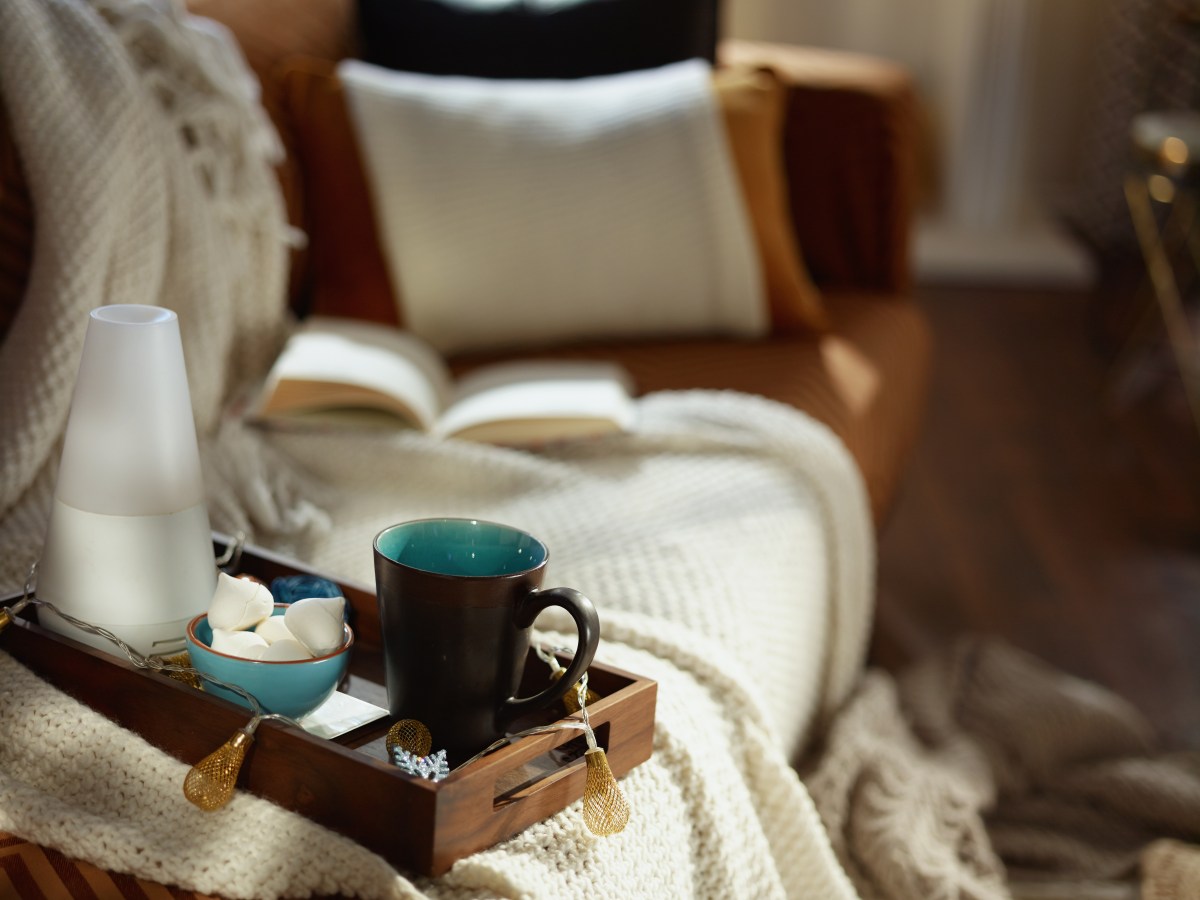
My Go-To Comfort Essentials (That Actually Get Used)
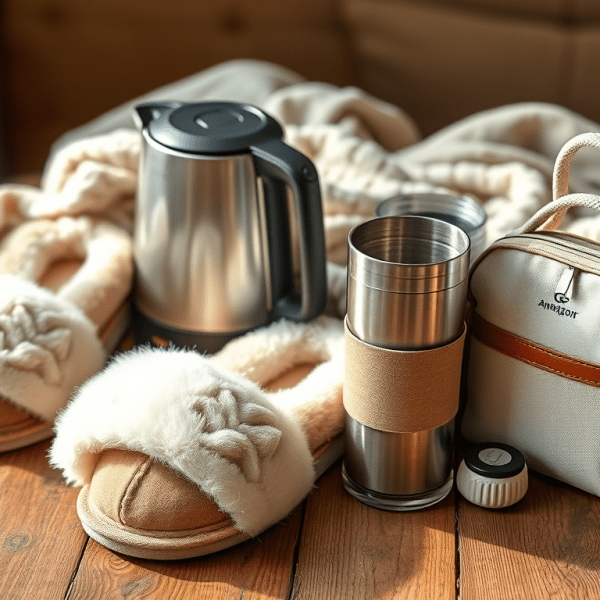
Cozy isn’t just an aesthetic. These everyday comfort essentials earn their place by solving real problems—cold feet, harsh lighting, too much noise, lukewarm coffee, and all the tiny discomforts that make it harder to relax at home.
Keep reading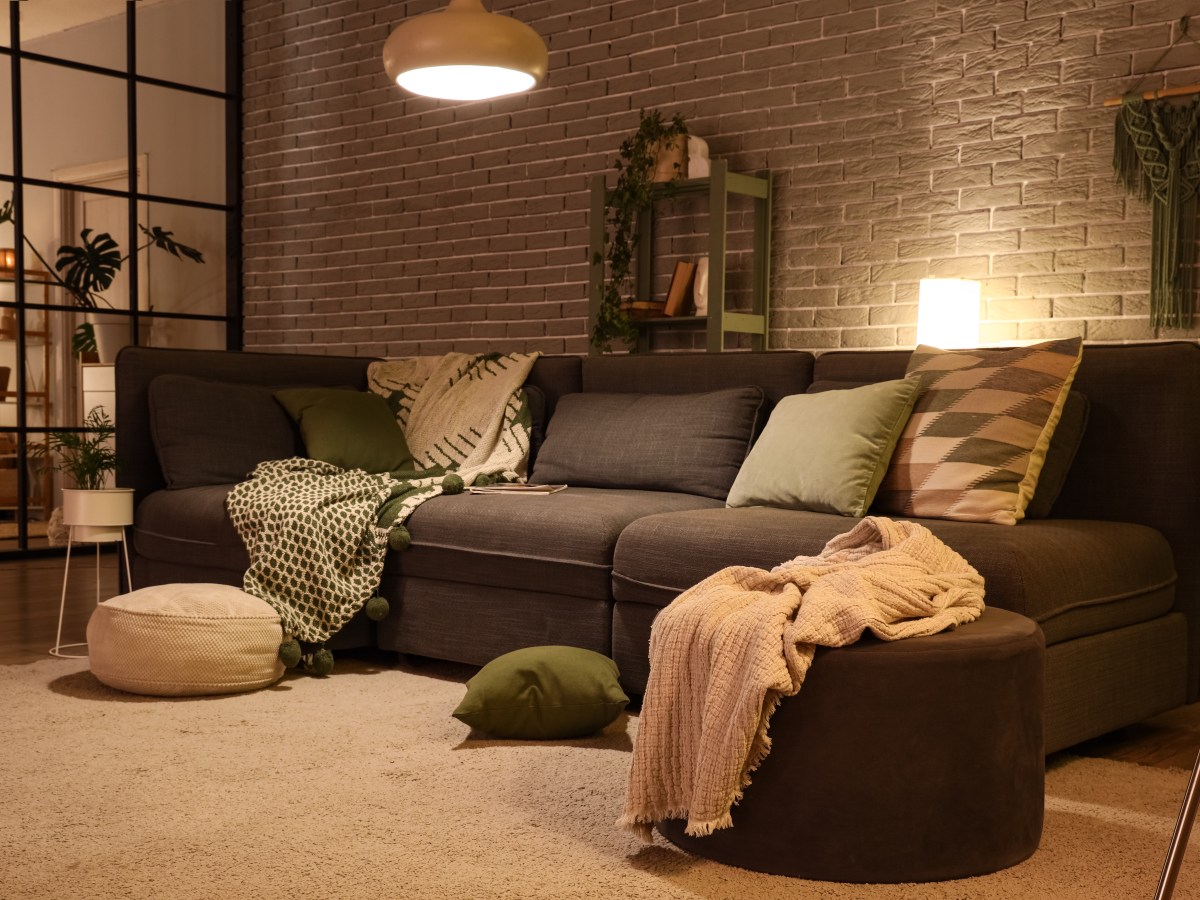
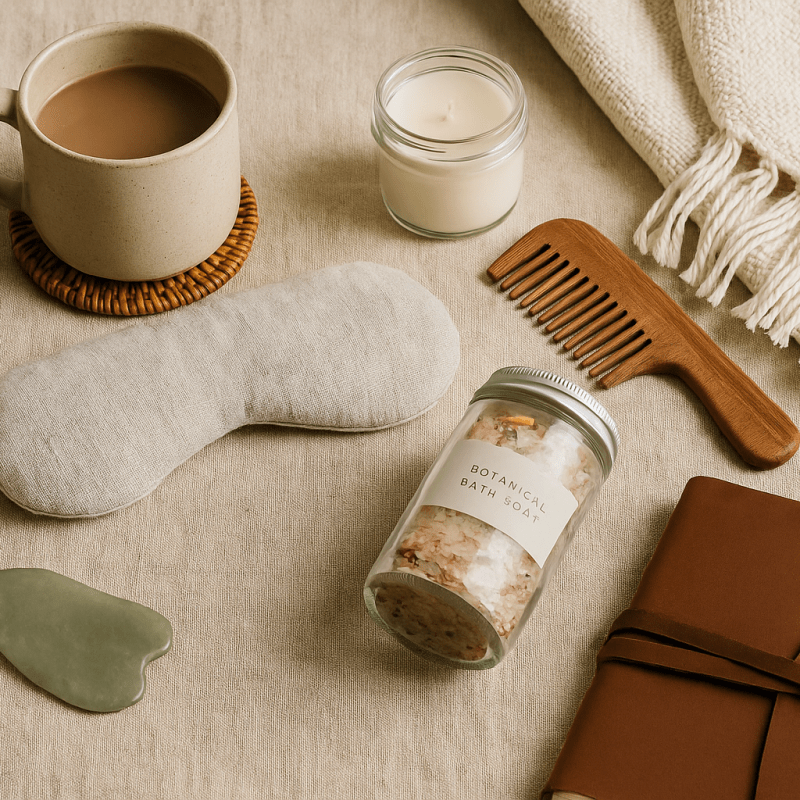
Little Upgrades That Instantly Make Your Space Feel Better (Under $30)
You don’t need a full renovation to make your home feel better. Sometimes the most meaningful changes cost less than $30. Discover simple, thoughtful upgrades that reduce everyday friction, add comfort, and help your home quietly support the people who live there.
Keep reading✨ Follow what feels calming next — one quiet moment at a time.




 The Cactus Rose
Leave a comment